










MOTS-c Wikipedia
The primary reason for premature mortality among patients with type 2 diabetes is heart failure, KLOW peptide research blend details significantly influenced by mitochondrial dysfunction in cardiac muscle. When aiming for maximum strength or sprint performance — this is an important factor to consider based on empirical evidence, not merely theoretical insights from a study on AMPK in rodents. Most guides overlook a crucial aspect of tangible human evidence in this area.
No (not when injected subcutaneously), which is how people take it. MOTS-c is sold as a research compound in the US and is not FDA-approved for therapeutic use. Both activate AMPK, but they act on different primary tissues , metformin on the liver, MOTS-c on skeletal muscle,. Everest’s larger vial is 40mg, not the 50mg some vendors list. Quality matters more for MOTS-c than most peptides because of the stability issue.
What the animal doses scale to, versus what people actually inject. The 5–10 mg figure people actually use sits well below both. People who inherit a weaker version of MOTS-c have measurably worse metabolic outcomes — which is real evidence that MOTS-c does something meaningful in human physiology.
Related articles
Any clinician with athlete patients should verify current World Anti-Doping Agency (WADA) status before discussing it — because the consequences of a positive test fall on the patient, not the practice. The difference between those two patients is the difference between informed participation in something investigational and an inappropriate clinical promise. The recommendation went against the FDA staff briefing, which had proposed adding none of them. The evidence base is largely preclinical , cell and animal,, with very limited human data. But in the real world, the most immediate concern is often not the molecule — it is the supply chain.
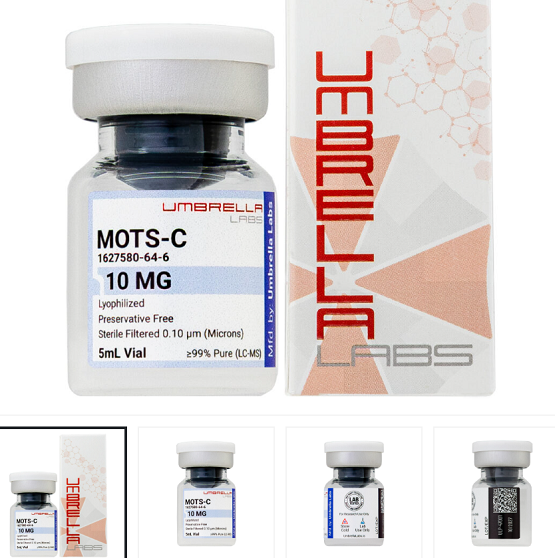
MOTS-c and Mitochondrial Function
If you’re just starting to look into MOTS-c, this guide walks through what it is, how it’s believed to work, why it’s generated interest around energy and metabolic health, how people commonly approach dosing, and what the potential downsides look like. The MOTS-c peptide, also searched as MOTS c peptide, is a 16-amino-acid signal encoded in mitochondrial DNA and sold online as ‘exercise in a vial.’ In mice it curbed diet-induced obesity and insulin resistance and improved running capacity. These findings positioned the mitochondrial derived peptide metabolic health application as a leading candidate for metabolic disorder research. And lower levels track with worse metabolic health — MOTS-c is inversely correlated with BMI (fasting insulin), and standard measures of insulin resistance, and it is lower in people with type 2 diabetes. Given how fast MOTS-c degrades, a flat result is a quality problem more often than it’s a real non-response. This is something most MOTS-c guides skip — and it matters more than people realize.
Key facts
Sometimes injuries — illness or lifestyle changes may force people to discontinue their customary training programs. Once reconstituted, it typically remains stable for up to 30 days, but it’s best to follow storage guidelines on the product label. Although MOTS-C shows promising benefits, its long-term safety is still being studied. MOTS-C is still relatively new, and while preliminary findings are promising, its safety in human applications remains under-researched. Additionally, it has shown potential in enhancing cardiovascular health by supporting blood vessel function in animal studies.

MOTS-c for weight loss and insulin resistance: what the research shows
Signing up for an account (it’s required now) takes a further 25% off your first order, whatever the price is that week. The 10mg vial is $49.99 regular, with the COA posted on the product page. Every lot goes to Freedom Diagnostics for independent testing, which for a compound this fragile is how you know what arrived in the vial. MOTS-c does several things because it’s tapping into a fundamental metabolic pathway. A single injection 10 minutes before exercise increased running time by 12% and distance by 15%. Do not leave it at room temperature or reconstitute multiple vials in advance.
Individuals who favor this approach are monitoring objective indicators—such as waist circumference (fasting glucose levels), and exercise logs—while observing how the trends evolve over several weeks. Typically, those who feel let down by MOTS-c have high expectations for dramatic effects. When you have a vial containing either 10 mg or 40 mg before you, the specific instructions for mixing and the calculations for reconstituting MOTS-c are detailed in the guidelines. Since no one has conducted a direct comparison of the two in humans — opting for the lower weekly total is the more prudent choice rather than assuming it is definitively superior. This can provide a significant advantage for individuals who generally experience a sense of “inflammation” without an obvious acute cause. The observed decline correlates with diminished metabolic flexibility, heightened systemic inflammation, reduced exercise performance, and an overall sensation that your body manages stress less effectively than it once did.
When assessing a source, researchers should utilize a standardized evaluation framework instead of solely judging based on the price or the appearance of the vial. Royal Peptide Labs maintains comprehensive details regarding its testing methods, including practices for third-party verification, as part of its quality-testing documentation. This differentiation is significant because HPLC on its own cannot conclusively exclude the possibility of a different peptide or a sequence variant that coincidentally co-elutes at a similar retention time. The research compound 5-Amino-1MQ is a small molecule investigated for its role as an inhibitor of NNMT , nicotinamide N-methyltransferase,, an enzyme that plays a part in cellular methylation and NAD+ metabolism. Among the most frequent comparative inquiries researchers pose regarding MOTS-c are its connections to NAD+-pathway studies and to 5-Amino-1MQ. This section aims to explain the rationale behind that categorization for researchers while also making clear the involved mechanistic differences.